




Advertisement
Growing up in a Chinese-Vietnamese household, I don't remember a time when there wasn't a bottle of soy sauce in our kitchen. It was a constant, used in marinades and drizzled over whole steamed fish, dumplings, noodles and stir-fries. To be honest, however, I never loved soy sauce. To my young taste buds, it tasted too one-note, salty and overpowering. But that all changed when I was an adult. Wandering the aisles of my local Japanese supermarket, I found a bottle of high-quality soy sauce, splurged on it, and never looked back. At home, after just one taste, I realised soy sauce could have depth, sweetness and an incredible richness that I had been missing all my life. I also realised that not all soy sauce is made the same way.
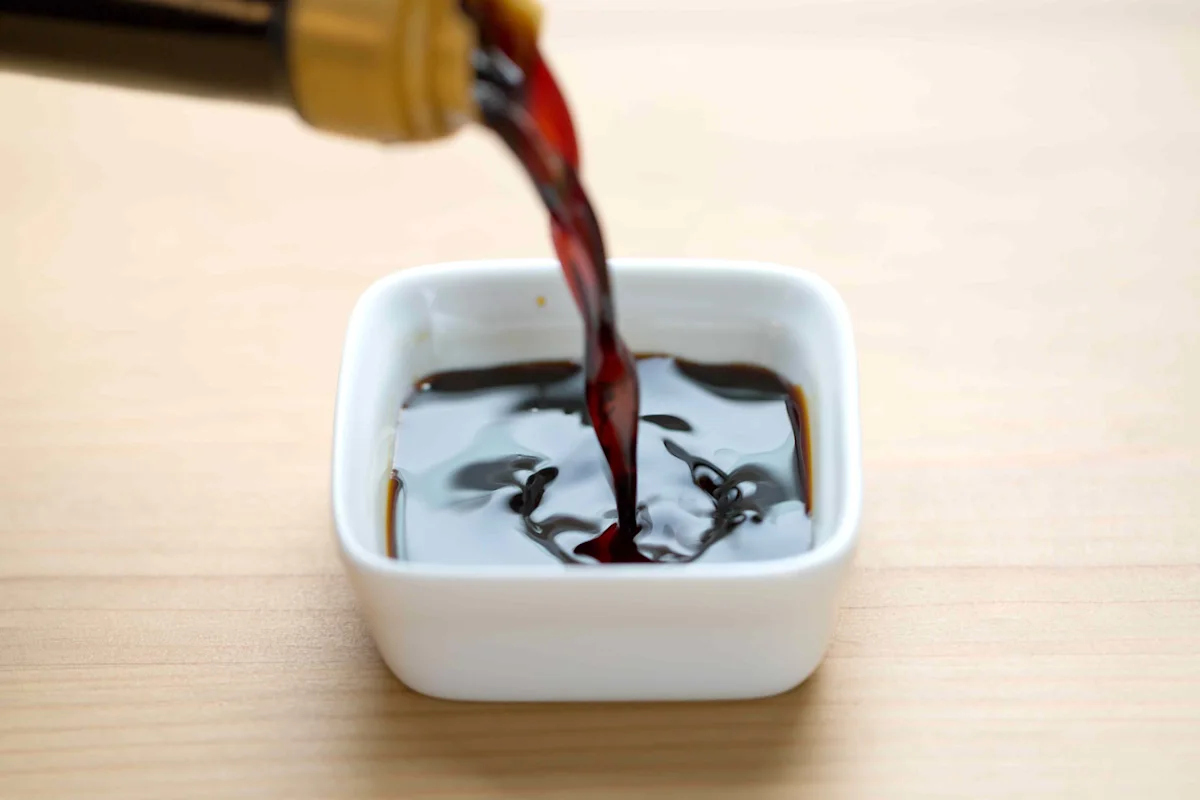
Clarissa Wei, cookbook author and founder of the single-origin soy sauce brand Heydoh, agrees, adding that high-quality soy sauce should be good enough to sip on its own. So how do you find a bottle that good? According to Wei, the answer is on the back label: a short and simple ingredient list.
How to decipher the label on a bottle of soy sauce
There are four ingredients that your soy sauce should be made with: water, soybeans, wheat and salt, Wei says. Those four ingredients are all that a great soy sauce needs because fermentation does the rest. Over time, enzymes break down soybean proteins into amino acids like glutamate, the source of soy sauce's savoury umami flavour, while the wheat's starches turn into sugars that add a gentle, balancing sweetness. Over months of fermentation, soy sauce naturally develops a layered, rich flavour without any additives. Its colour also deepens beautifully without added colouring.
Wei also recommends watching out for one ingredient in particular. "If soy sauce is listed as an ingredient, chances are that the product is a seasoned or blended sauce." In that case, it is not true soy sauce. Seasoned or blended soy sauces often include additives such as sugar or corn syrup for sweetness and caramel colour to mimic the deep hue soy sauce develops during long fermentation. These ingredients usually signal a flavour-adjusted product rather than a traditionally brewed soy sauce. These soy sauces may also include preservatives to extend shelf life.
Smart soy sauce buying tips
In addition to ensuring the ingredient list is short — just water, soybeans, wheat and salt — the label should also read "traditionally brewed" or "naturally brewed." If the soy sauce has additives beyond those four ingredients like sugar, corn syrup, caramel colour or preservatives, consider grabbing a different bottle.
Beyond studying the label, the best soy sauce is the one that works for you and your household. It should taste great to you and fit your budget and needs. Knowing what to look for on the label makes it easier to find soy sauce that marinates proteins, seasons stews and elevates dumpling, rice and noodle dishes like a boss. A short ingredient list is the strongest signal of quality, but taste and personal preference still matter. The next time you're standing in the condiment aisle, turn the bottle around and read the label — it could be the difference between a bland, salty sauce and one with real depth and character.
 Watch AD Unlock More
Advertisement


Advertisement


Advertisement


Advertisement